Why Loud Toys Are Bad for Children and What to Choose Instead
In today’s toy market, many products are designed to be bright, loud and highly stimulating. Flashing lights, electronic sounds and constant movement are often used to capture a child’s attention instantly.
While these toys may seem entertaining, research and early years practice suggest they are not always supportive of healthy child development.
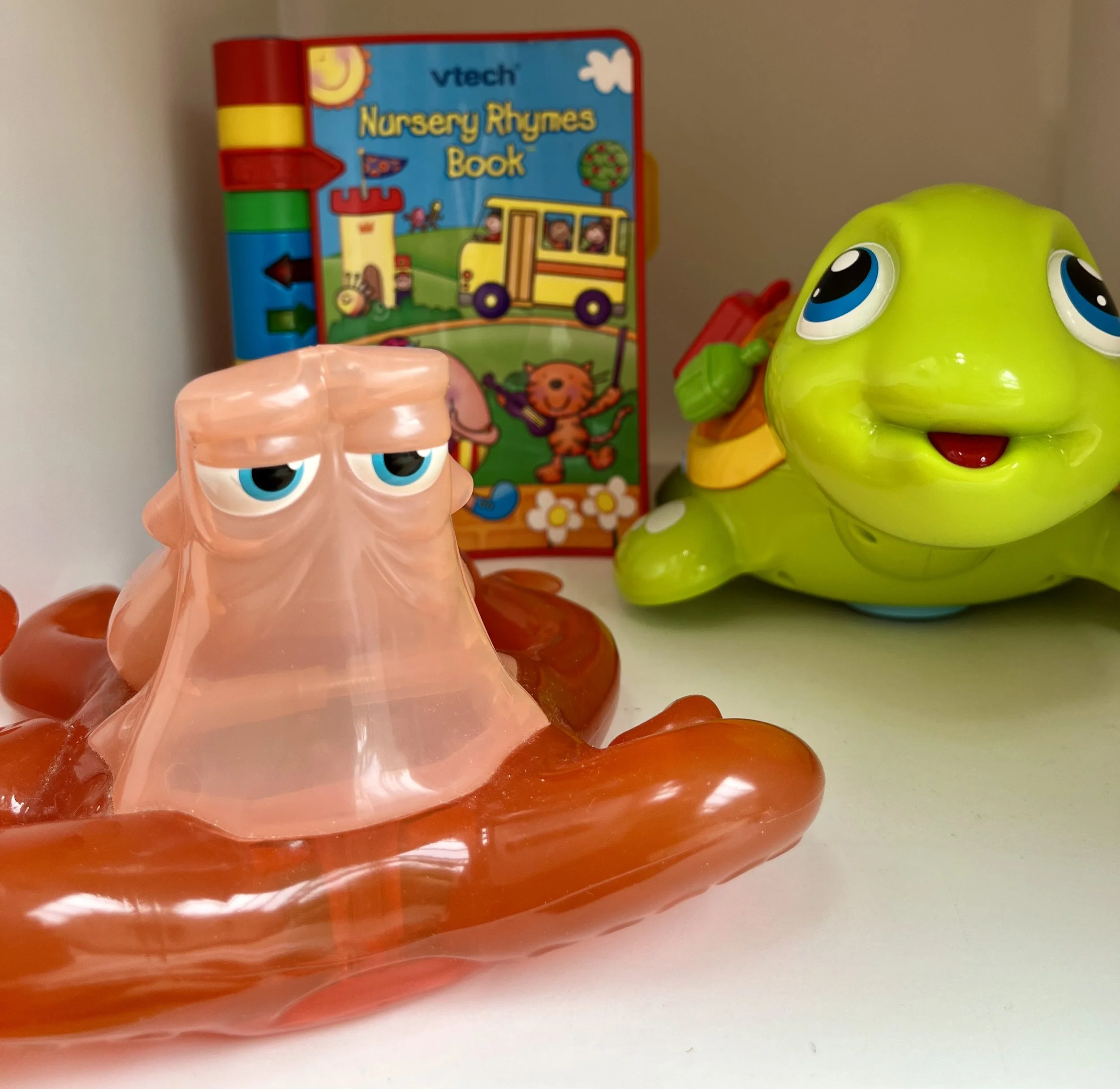
Overstimulating toys and child development
Young children learn best through active, focused and meaningful play. When a toy constantly entertains the child with sounds and visuals, the child becomes passive rather than engaged.
This can affect early learning by reducing concentration skills, increasing sensory overload, limiting creativity and reducing opportunities for independent thinking.
Over time, children may also struggle to engage in quieter, more focused play experiences.
Why simple and open ended toys are better
Simple toys give children space to think, explore and create.
Open ended play materials do not have one fixed outcome. Instead, they allow children to use imagination and problem solving skills freely.
Examples of beneficial toys include wooden blocks, natural materials such as wood, fabric and stones, puzzles and construction toys, role play materials such as kitchens, shops and dolls, and creative resources such as drawing materials, clay and paper.
These toys support cognitive development, emotional regulation, creativity and early problem solving skills.
The importance of a well organised play environment
A well organised playroom does not need to be full of toys. In fact, fewer but more meaningful resources often lead to deeper and more focused play.
An organised environment helps children feel calm, independent and able to make their own choices.
This approach is strongly aligned with Montessori inspired and Reggio Emilia inspired early years principles, which prioritise independence, exploration and respect for the child’s natural development.
Why this matters for parents
Many parents feel overwhelmed by the number of toys available on the market. It is easy to assume that more stimulation means better development, but this is not always the case.
Choosing the right toys can have a powerful impact on a child’s ability to focus, learn and develop confidence in their own abilities.
How I can support you
As a Playroom Consultant, I help parents create calm, purposeful and developmentally supportive play environments.
Through personalised guidance, I support you in choosing the right toys, reducing overstimulation and organising spaces that encourage independence, creativity and meaningful play.
If you would like help creating a Montessori inspired or Reggio Emilia inspired playroom, I can guide you step by step.